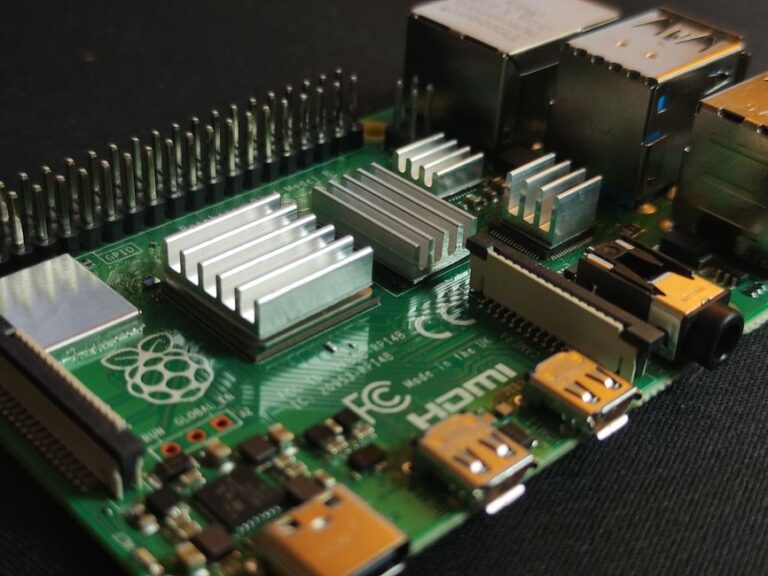
How to Run a Bitcoin Full Node on a Raspberry Pi 4: Hardware Checklist, OS Setup, Pruning vs Archival, and Ongoing Maintenance

Decentralized Finance, commonly known as DeFi, represents a revolutionary movement within the cryptocurrency landscape. By leveraging blockchain technology, DeFi aims to create an open-source financial ecosystem that operates without traditional intermediaries such as banks and financial institutions. This shift not only enhances accessibility but also fosters innovation in online transactions. As we delve into the world of DeFi, we will explore its fundamental principles, key components, and the impact it is having on the future of online financial transactions.
At the heart of DeFi are several core principles that distinguish it from traditional finance. These principles include:
The DeFi ecosystem comprises various components that work together to facilitate a wide range of financial services. Understanding these components is crucial for grasping how DeFi is shaping online transactions.
Decentralized exchanges allow users to trade cryptocurrencies directly with one another without the need for a central authority. This peer-to-peer trading model enhances security and privacy. Popular DEXs include Uniswap and SushiSwap, which have gained traction due to their user-friendly interfaces and low transaction fees.
DeFi lending platforms enable users to lend their cryptocurrencies in exchange for interest or borrow assets by providing collateral. Platforms like Aave and Compound have revolutionized how individuals can access loans and earn passive income through their crypto holdings.
Stablecoins are cryptocurrencies pegged to a stable asset, such as the US dollar, aimed at reducing volatility. They play a critical role in DeFi by providing a stable medium of exchange, making transactions more predictable. Well-known stablecoins include Tether (USDT) and USD Coin (USDC).
Decentralized Finance is not just a trend; it is fundamentally reshaping how online transactions occur. The implications of this transformation are profound and far-reaching.
DeFi has democratized access to financial services. Individuals in underserved regions can now engage in online transactions without traditional banking systems. This increased access empowers more people to participate in the global economy.
By eliminating intermediaries, DeFi significantly reduces transaction fees. Users can send and receive funds at a fraction of the cost associated with traditional banking systems. This cost-effectiveness encourages more frequent and diverse online transactions.
With DeFi, users retain control over their funds. By utilizing smart contracts and decentralized protocols, the risk of hacking and fraud is minimized. This heightened security fosters trust in online transactions.
Despite its advantages, DeFi is not without challenges. Addressing these issues is crucial for its continued growth and acceptance.
As DeFi continues to evolve, regulatory bodies are grappling with how to approach this new financial landscape. The lack of clear regulations can lead to uncertainty for users and developers alike, potentially stifling innovation.
Many DeFi platforms face scalability challenges, particularly during periods of high demand. Network congestion can lead to increased transaction times and costs, undermining the benefits of DeFi.
While smart contracts offer automation and efficiency, they are not immune to bugs and vulnerabilities. Exploits can lead to significant financial losses, highlighting the need for rigorous security audits and testing.
The future of Decentralized Finance looks promising as technological advancements continue to shape its landscape. Innovations such as layer-two solutions and cross-chain capabilities are expected to enhance scalability and interoperability, further solidifying DeFi’s place in the financial ecosystem.
As DeFi matures, we may witness greater integration between decentralized and traditional financial systems. This hybrid model could offer the best of both worlds, combining the accessibility of DeFi with the stability of established financial institutions.
For DeFi to reach its full potential, education and awareness must be prioritized. As more individuals understand the benefits of DeFi, adoption rates are likely to increase, leading to a more robust financial ecosystem.
The future of decentralized finance holds immense potential as it continues to evolve. Innovations in technology are expected to drive further adoption and integration of DeFi solutions across various sectors.
One of the key trends in DeFi is the push for interoperability among different blockchain networks. This integration will allow users to access a broader range of financial services seamlessly, enhancing the overall user experience.
As DeFi grows, regulators are starting to take notice. Future legislation will likely aim to balance innovation with consumer protection, which could shape the landscape of DeFi in significant ways.
Increased awareness and understanding of DeFi concepts are crucial for its adoption. Educational initiatives aimed at both investors and developers will foster a more informed community, paving the way for sustainable growth.
The future of DeFi is poised for remarkable innovations, driven by advancements in technology and user demands. These innovations will likely include enhanced user interfaces, improved security measures, and unique financial products that cater to diverse needs.
As DeFi platforms expand, decentralized identity solutions are becoming increasingly important. These solutions will provide users with greater control over their personal information while ensuring compliance with regulatory requirements.
Cross-chain solutions are paving the way for more flexible and efficient DeFi ecosystems. By enabling assets to move freely between different blockchains, these solutions will enhance liquidity and broaden the scope of financial services available to users.
Ongoing improvements in smart contract technology will lead to more sophisticated and secure financial instruments. By minimizing vulnerabilities and streamlining processes, these enhancements will significantly boost user confidence in DeFi platforms.