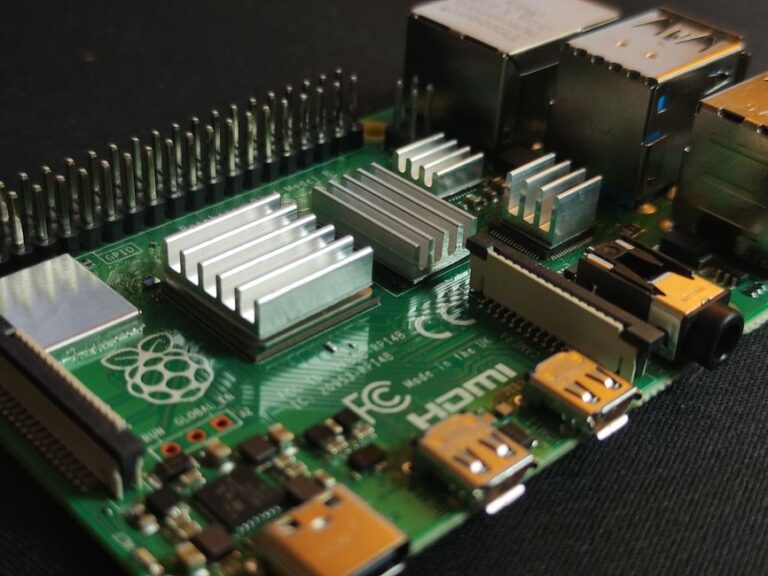
How to Run a Bitcoin Full Node on a Raspberry Pi 4: Hardware Checklist, OS Setup, Pruning vs Archival, and Ongoing Maintenance

Blockchain technology is fundamentally transforming the landscape of digital finance. This decentralized and distributed ledger system offers unparalleled security, transparency, and efficiency. The implications of blockchain extend beyond cryptocurrencies, affecting various sectors including banking, supply chain, and healthcare. In this article, we will explore how blockchain technology is revolutionizing digital finance, highlighting its key features, benefits, and future potential.
Blockchain technology is characterized by several core features that contribute to its effectiveness in digital finance.
Decentralization is a pivotal element of blockchain technology. By distributing data across a network of computers, blockchain minimizes the risk of a single point of failure. This is particularly important in digital finance, where traditional systems are vulnerable to hacks and data breaches. The decentralized nature of blockchain fosters trust among users, as no single entity controls the network.
The immutability of blockchain records plays a crucial role in preventing fraud. Each transaction is cryptographically secured and linked to the previous transaction, creating a chain that is nearly impossible to alter. This level of security is vital for financial institutions, as it protects against unauthorized access and manipulation of data.
Blockchain technology offers numerous benefits that enhance the efficiency and security of financial transactions.
One of the most significant advantages of blockchain technology is its ability to reduce costs associated with cross-border transactions. Traditional remittance services often charge high fees and take several days to process transactions. In contrast, blockchain allows for swift transfers at a fraction of the cost, making it an attractive option for businesses and individuals alike.
Blockchain employs advanced cryptographic techniques to secure transaction data. Each block in the chain contains a unique hash that links it to the previous block, creating a secure chain of information. This level of security is critical in the financial sector, where data breaches can have severe consequences.
The future of blockchain technology in digital finance appears promising. As more financial institutions recognize its potential, we can expect to see increased adoption and innovation. Several trends are likely to shape the future landscape of blockchain in finance.
As blockchain technology continues to evolve, regulators are beginning to take notice. Governments around the world are exploring ways to create a balanced regulatory environment that fosters innovation while protecting consumers. These developments will likely shape the future of blockchain in digital finance.
Innovative applications of blockchain are emerging, particularly in the realms of lending, insurance, and asset management. By leveraging the unique features of blockchain, financial institutions can create more efficient and transparent processes. This innovation is expected to drive further adoption and integration into mainstream finance.
Blockchain technology is a decentralized and distributed ledger system that records transactions across multiple computers, ensuring security, transparency, and immutability.
Blockchain enhances security through cryptographic techniques that secure transaction data, making it nearly impossible for unauthorized users to alter or manipulate information.
Smart contracts are self-executing contracts with the terms directly written into code. They automate processes and reduce the need for intermediaries in financial transactions.
Yes, blockchain technology can significantly reduce transaction costs by eliminating intermediaries and streamlining processes, particularly in cross-border payments.
The future of blockchain in digital finance is promising, with expected trends including increased regulation, integration with AI and IoT, and the expansion of decentralized finance (DeFi) platforms.
Despite its numerous advantages, blockchain technology faces several challenges that may hinder widespread adoption. Issues such as scalability, energy consumption, and regulatory uncertainty pose significant barriers.
As more users and applications utilize blockchain networks, scalability becomes a pressing concern. Many existing blockchains struggle to handle large transaction volumes efficiently.
Some blockchain consensus mechanisms, particularly proof-of-work, are criticized for their high energy consumption. This has led to calls for more sustainable alternatives.
Regulatory frameworks for blockchain and cryptocurrency are still evolving. This uncertainty can deter investment and innovation within the sector, making it crucial for stakeholders to engage with regulators.
The future of blockchain technology is promising, with ongoing innovations aimed at overcoming current challenges. Researchers and developers are continuously exploring new solutions to enhance the efficiency and usability of blockchain systems.
Layer 2 solutions, such as Lightning Network and Plasma, are designed to improve scalability by processing transactions off the main blockchain. These approaches can significantly reduce congestion and enhance transaction speeds.
Efforts to reduce energy consumption in blockchain operations are gaining momentum. Innovations like proof-of-stake and other eco-friendly consensus mechanisms are being developed to promote sustainability in the industry.